“I believe healing begins when we experience enough safety, compassion and acceptance to return to ourselves."
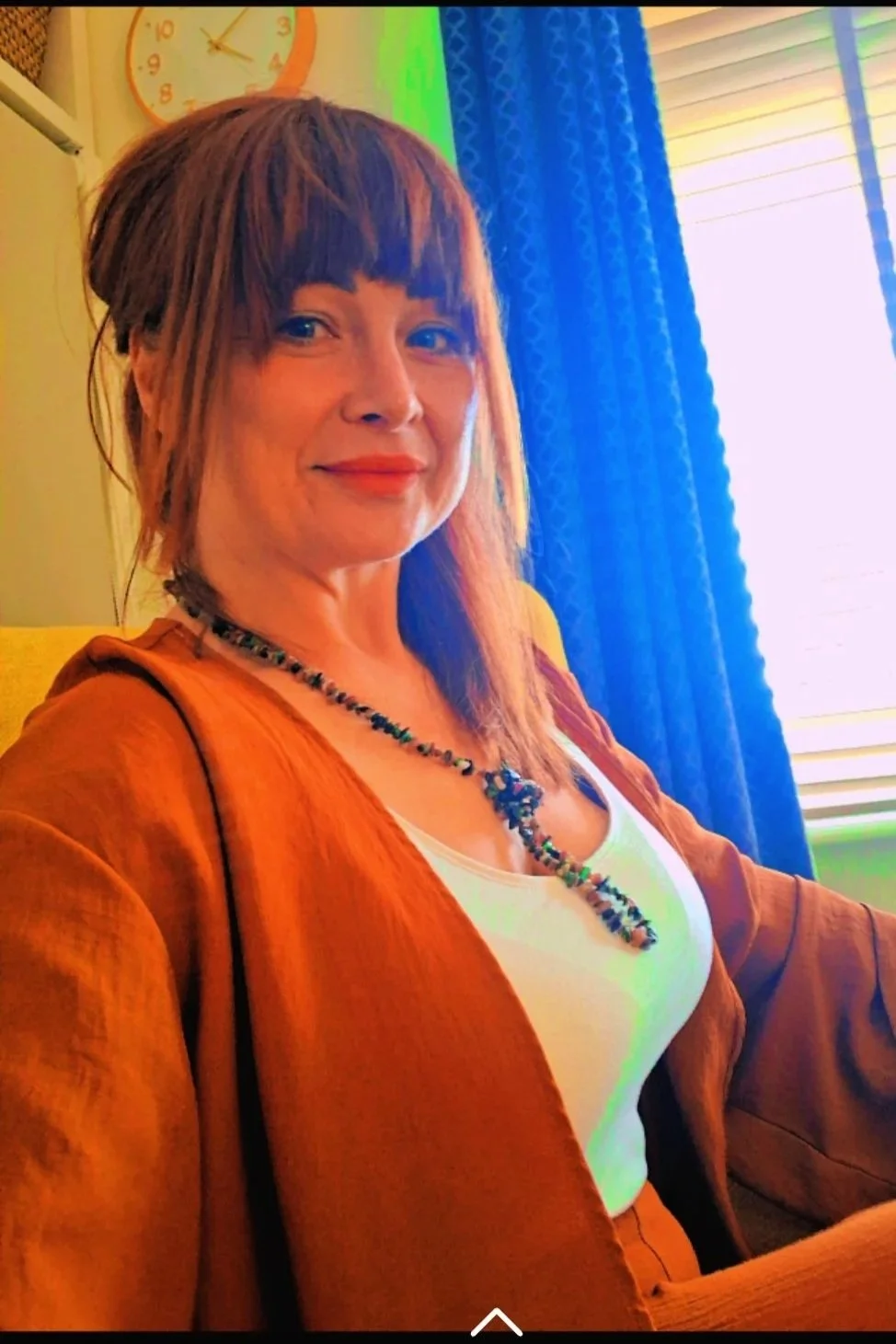
Hello, I'm Emma.
I'm a person centred and creative therapist, and I work with adults experiencing the lasting impact of trauma, difficult relationships, loss, emotional overwhelm. I also welcome neurodiversity in whatever form that might be for you.
I work from the belief: that humans are not broken. We find ways of surviving shame and experiences that once felt unsafe or overwhelming. I can help you find sustainable ways to help you to manage the weight you carry.
Outside of work I love poetry, nature, painting, reading walking my dog and enjoying nice food and quality time with those around me, I also enjoy keeping active too.
“I have a diagnosis of CPTSD and Emma helped me to feel safe from day one, the insight and progress that I made with Emma was beyond comparison to other therapy that I have had and I have had a lot of therapy over the years, I would recommend Emma for anyone else who might have similar issues to me””
— Client testimonial
My Experience and Training
Msc in Person Centred Creative and contemporary Psychotherapy (current study)
Person-Centred integrative therapy -BA, FdA
NHS work
community work
trauma training
Dyadic Developmental Phsychotherapy (DDP informed) - Specific training relating to post adoption therapy
Dialectical Behavioural Therapy (DBT informed)
Continual CPD relating to relationship experiences
BACP registration
I frequently work with people experiencing the effects of complex trauma, including:
• CPTSD
• childhood trauma (including adoption)
• relationship difficulties
• anxiety
• burnout
• grief, beliefs and loss
• low self-worth
• life transitions and identity
What to expect from a Therapy Session
Clients often tell me they appreciate having a space where they don't feel rushed or judged.
I work gently and collaboratively, where we decide together what will help allowing therapy to unfold at a pace that feels safe.
Sometimes we simply talk. Sometimes we explore creativity, the body, encourage meditation and stillness or moments of silence. This can help us to gain curiosity around what barriers you are experiencing.
Sometimes we look at ways to help you beyond the therapy room and explore how these might work for you in your life.
Finding the right therapist is important.
If something in my approach resonates with you, I'd be pleased to meet you for an introductory conversation where we can explore whether working together feels like the right fit.
I work in a way that sees you as a whole person and helps you create a deeply attuned experience with yourself. I’ve been here myself — I know how it feels to live with struggle, self-doubt, shame and the long shadow of trauma. Too often, counselling services (including parts of the NHS and many larger organisations) rely on techniques that feel like attempts to “fix” you. Things are usually approached this way due to financial and business costs rather than putting the needs of the client first. These approaches have a place and the services offer vital support, they do help some people, but it didn’t help me. I know from speaking with clients over the years who have expressed the same . My values about this are strong and I stepped away from systems that prioritise fixing, and instead brought my studies and lived experience to research what truly supports healing.
Over the years the eveidence has stacked: therapy works best when you feel safe and connected to your therapist. My practice focuses on what the research and real human experience both show matter most:
Why your diagnosis does not complete the healing
A diagnosis can help you to feel validated but it doesn’t define all of you and you are more than a set of symptoms. I approach everyone with curiosity, respect and an understanding that your responses have meaning. This helps to shift feelings of shame, opening space for compassionate exploration of you.
Relational healing
Change happens within an accepting relationship. A trusting, attuned therapeutic relationship creates a corrective emotional experience — one where patterns stemming from earlier pain can be recognised, processed and gently reshaped.
The impact of adversity
The impact of Trauma and chronic stress can leave us overwhelmed with our lives and without hope. I work with approaches that support regulation so that you can feel more grounded, present and able to access your resources.
Creativity
Healing is not always an intellectual task. Creative, embodied methods (such as guided imagery, expressive exercises and somatic work) allow you to access parts of your experience that words alone can’t reach. Creativity can help you to create meaning, of yourself and your story helping you to find hope and restoration.
Why connection matters
Connection is the base in which healing grows. When you feel seen, heard and held in a non-judgemental way, your brain and body can begin to repair. Connection reduces shame, increases safety and supports lasting change.
My approach offers a compassionate, evidence-informed space where we work together to rebuild safety, hope and support genuine healing.
Why I Work This Way?
“The curious paradox is that when I start to accept myself for who I am, that is when I can really change”
Carl Rogers- Founder of the Person Centred Theory